My house is full of inner light. The day began with an early meditation, a long cold shower and afterwards a rewarding chat with my daughters who unexpectedly knocked at my door bringing gifts and laughter in a no-birthday day.
I believe in the healing power of mantras. The sarveshaam mantra I’m sharing with you today is a Hindu prayer for Peace from the Vedas. It belongs to the shanti mantras’ sort and invokes harmony and tranquillity. As many of you might know, mantras may be repeated three or eleven times, as time permits and should be recited with a pure heart. Shanti mantras may be used to bless all those in attendance to a pooja or the individual, after a prayer session.
ॐ सर्वेशां स्वस्तिर्भवतु ।
सर्वेशां शान्तिर्भवतु ।
सर्वेशां पुर्णंभवतु ।
सर्वेशां मङ्गलंभवतु ।
ॐ शान्तिः शान्तिः शान्तिः ॥
Om Sarveshaam Svastir-Bhavatu | Sarveshaam Shaantir-Bhavatu | Sarveshaam Purnnam-Bhavatu | Sarveshaam Manggalam-Bhavatu | Om Shaantih Shaantih Shaantih ||
Let it be so ordained (-bhavatu), that all the people (-sarveshaam), experience well-being (-svastir); let all the people experience peace or tranquility (-shaantir). Let all the people experience wholeness and completeness (-poornam); let them experience prosperity and auspiciousness (-mangalam).
May it so happen (-bhavantu) that everyone (-sarve) receives happiness (-sukhinah); let them all be saint-like (-santu) and be without disease and in good health (-niraamayaah). Let them see with their own eyes (-pashyantu) the goodness of life (-bhadaraani); and let them not (maa) contemplate in their conscious mind (-kashchidh) any sorrow inducing (dukh) thoughts while they remain beneficiaries (-bhavet) of good fortune (-bhaag).
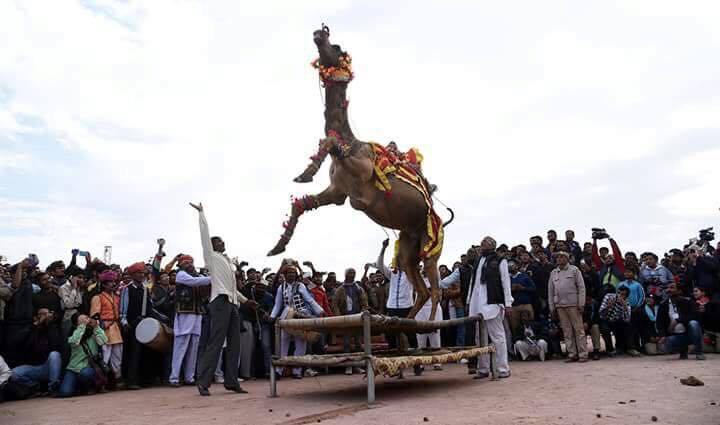 Rajasthan is known for its mix of cultures, temples, forts, palaces, food and folk traditions, but personally, it has always fascinated me because of the quality of sun and the colours. There are always new and exciting nuances waiting to be discovered at every corner; a journey through this northern region of India is a vivid psychedelic treat for the senses. Rajasthan is a microcosm of all things that define my beloved India.
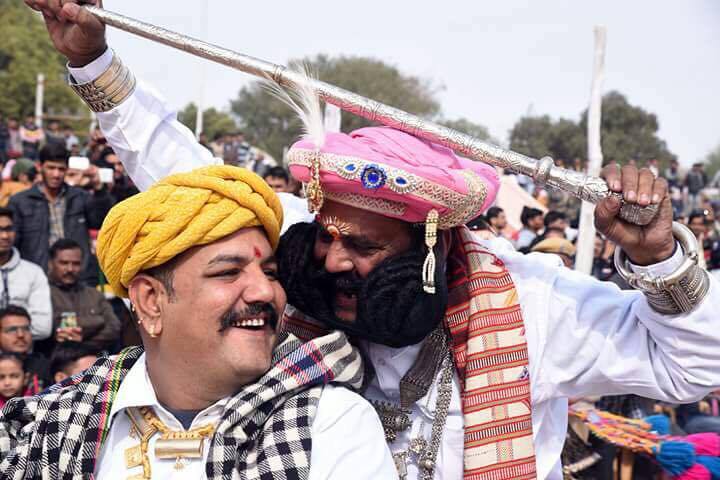 Camels in India are actually single-humped dromedaries. It’s not easy to ride them, let alone get along with them. I wonder how on earth Bikaners manage to control such phlegmatic and obstinate animals and put them to dance, because that’s exactly what happens every January in the small village of Ladera, which becomes the venue of the two-day and night Bikaner Camel Festival. The smelly dromedaries dance swaying their necks and tapping their feet to the beat of traditional Rajasthani music, which I tell you, as mesmerizing and simple as it may sound, it is extremely complicated.
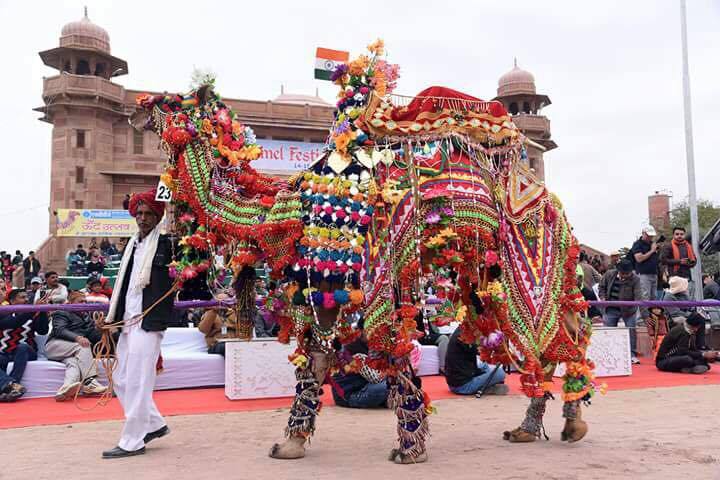 Camels and owners alike dressed in their finest designer jewellery and accessories, kick-off the celebrations with a regal march. This is a spectacular sight as the camels parade past spectators to the open sands with the Royal Junagarh Fort in the background. Colourful bridles, bejewelled necks, jingling anklets and long, lanky camel shadows on the dusky sand casts a magical atmosphere over the city. The festival also holds numerous sports and cultural activities, but the camel race is maybe the essence of it. Hundreds of camels are corralled to the starting line, and with an explosive gunshot launches a growing swell of dust that follows the camels to the finish line. The camel milking competition is another very popular game among the locals. For foreigners like me, who abhor milk of all sorts, this is pure nightmare. In the evening though, the jubilant skirt swirling and awe-inspiring fire gypsy dances and folk songs fully compensate for the daylight milky horror.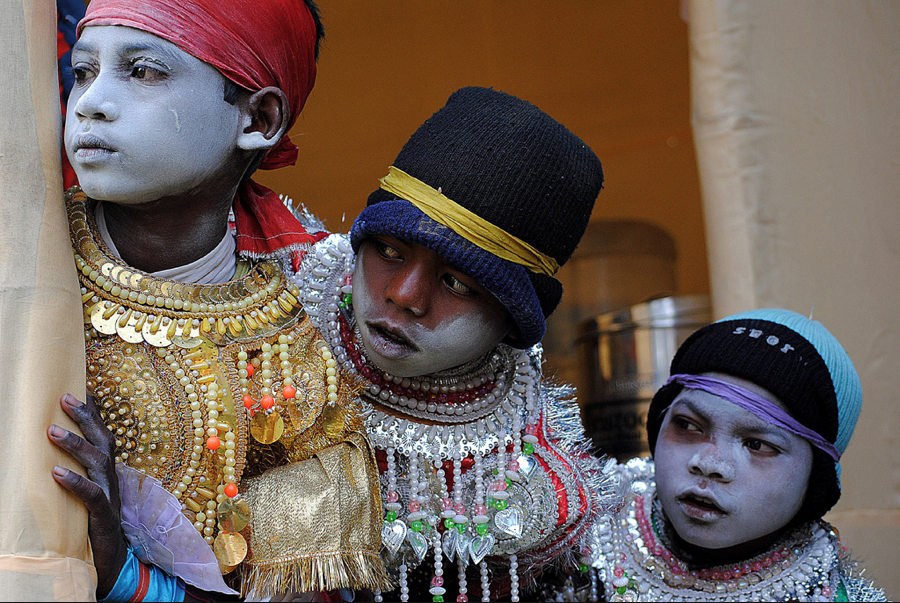

 nohemidragonne.net