My house is full of inner light. The day began with an early meditation, a long cold shower and afterwards a rewarding chat with my daughters who unexpectedly knocked at my door bringing gifts and laughter in a no-birthday day.
I believe in the healing power of mantras. The sarveshaam mantra I’m sharing with you today is a Hindu prayer for Peace from the Vedas. It belongs to the shanti mantras’ sort and invokes harmony and tranquillity. As many of you might know, mantras may be repeated three or eleven times, as time permits and should be recited with a pure heart. Shanti mantras may be used to bless all those in attendance to a pooja or the individual, after a prayer session.
ॐ सर्वेशां स्वस्तिर्भवतु ।
सर्वेशां शान्तिर्भवतु ।
सर्वेशां पुर्णंभवतु ।
सर्वेशां मङ्गलंभवतु ।
ॐ शान्तिः शान्तिः शान्तिः ॥
Om Sarveshaam Svastir-Bhavatu | Sarveshaam Shaantir-Bhavatu | Sarveshaam Purnnam-Bhavatu | Sarveshaam Manggalam-Bhavatu | Om Shaantih Shaantih Shaantih ||
Let it be so ordained (-bhavatu), that all the people (-sarveshaam), experience well-being (-svastir); let all the people experience peace or tranquility (-shaantir). Let all the people experience wholeness and completeness (-poornam); let them experience prosperity and auspiciousness (-mangalam).
May it so happen (-bhavantu) that everyone (-sarve) receives happiness (-sukhinah); let them all be saint-like (-santu) and be without disease and in good health (-niraamayaah). Let them see with their own eyes (-pashyantu) the goodness of life (-bhadaraani); and let them not (maa) contemplate in their conscious mind (-kashchidh) any sorrow inducing (dukh) thoughts while they remain beneficiaries (-bhavet) of good fortune (-bhaag).
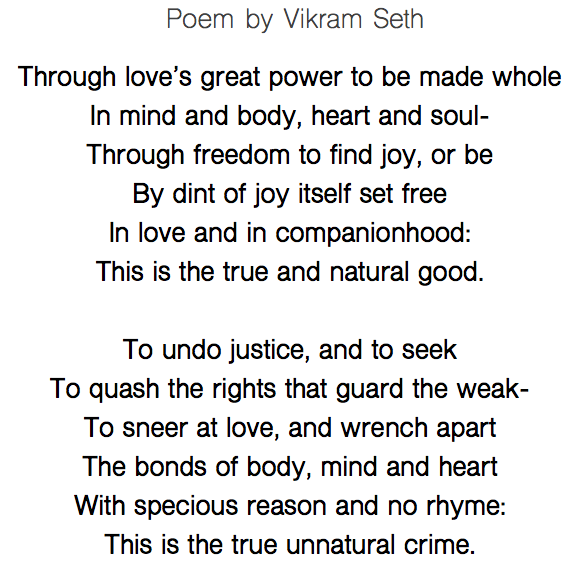
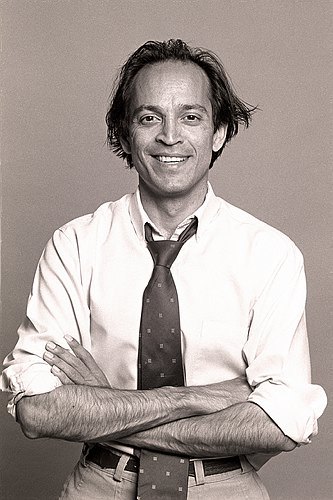 On March 20, 2014, The New York Review of Books published this poem with the article “India: You’re Criminal if Gay,”. The article was written by the poet’s mother, retired High Court Chief Justice Leila Seth. The trigger was the Indian Supreme Court’s killjoy re-instatement of a colonial anti-sodomy law that had been revoked in 2009. Vikram calls this “to undo justice.” His mother affirmed her love for her bisexual son and wrote: “The Supreme Court judgment means that he would have to be celibate for the rest of his life or else leave the country where he was born, to which he belongs, and which he loves more than any other.” Thus Seth divides his time between Delhi and a home in England that belonged to Metaphysical poet George Herbert, whose 17th century language echoes in this poem.
 A single symbol can convey a complex message, I know. But decoding miscellaneous feelings and thoughts expressed in a streamlined manner using emojis is not my forte. Stupid me, I’m kindly asking my readers to stop sending me messages with faces making faces.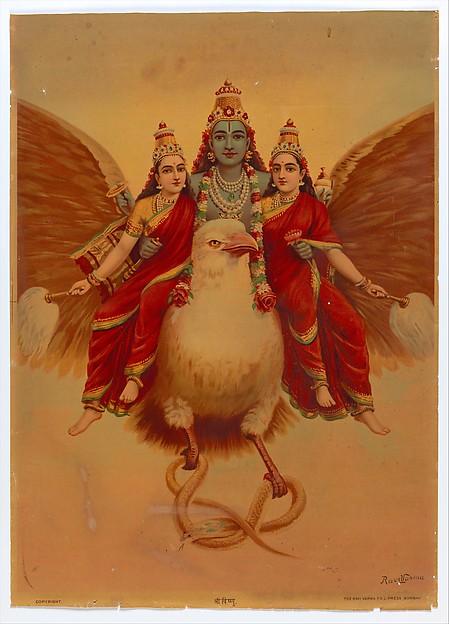
 I came there alone hoping to catch the last boat back to Alibagh; people quickly surrounded me, a kind swarm watching at me intrigued as if I was carrying a golden secret. And maybe I was; I didn’t know it at that time, but I was holding a seed deep inside of me, as if I was pregnant. My heart beating uncontrollably after the long run, his voice ringing “We’ll meet again” –You wish, what an arrogance!- I said to myself. I turned my head just to be sure nobody had followed me, and then I saw it for the very first time, and by that I mean I apprehended it. This great architectural body, the Taj Mahal Palace rising up reflecting the sun and establishing a visual dialog with the Gateway of India. Splendid.
 nohemidragonne.net